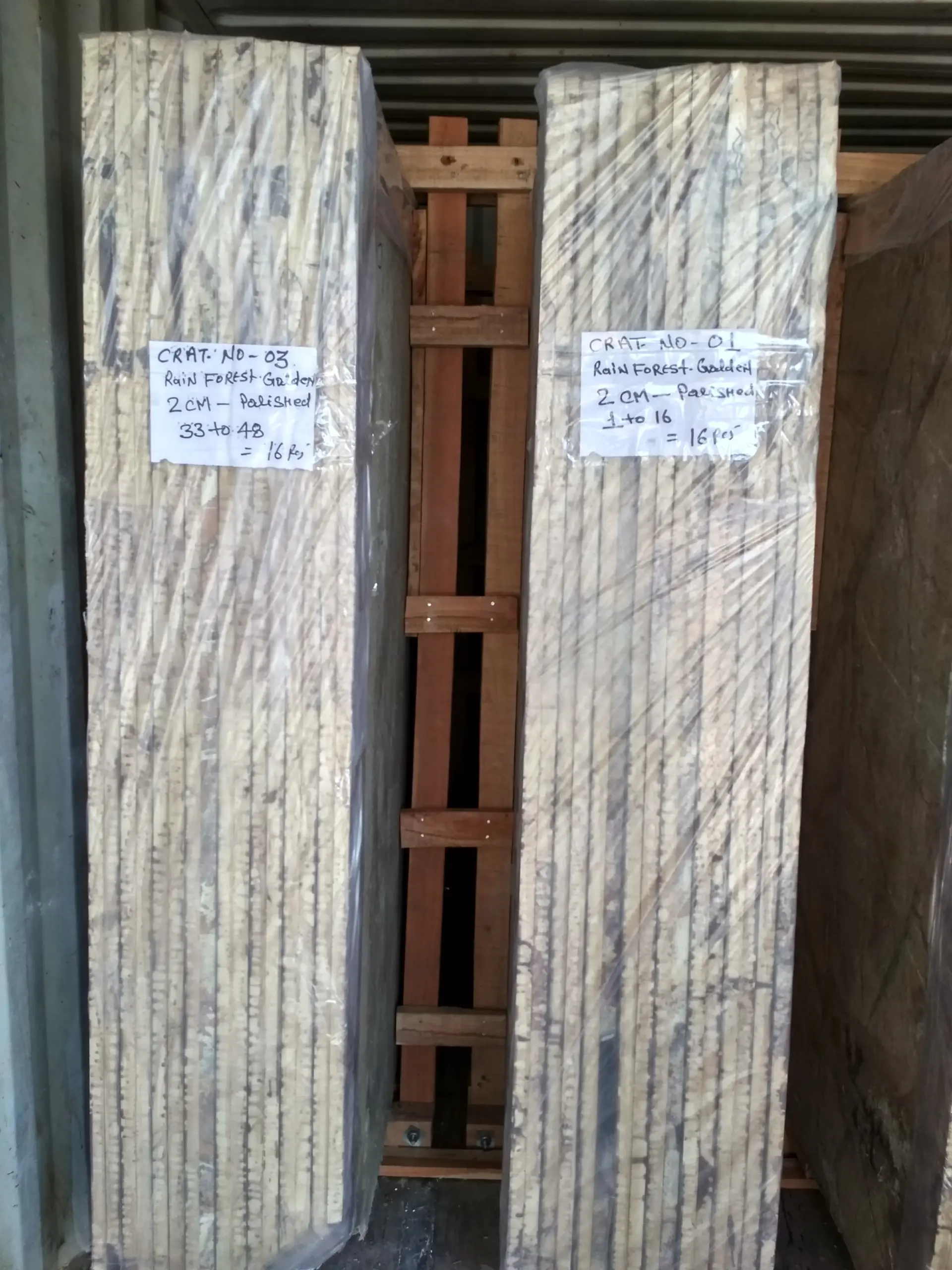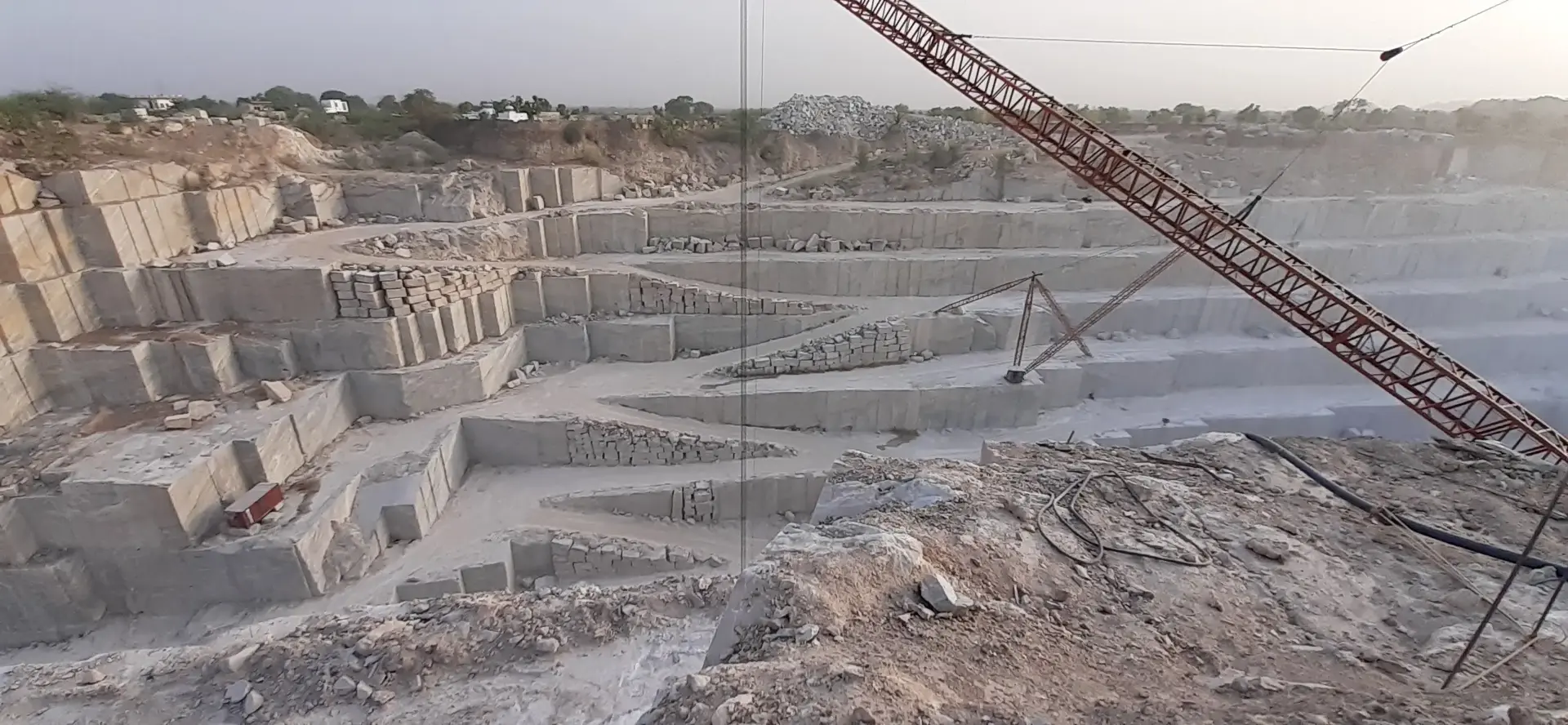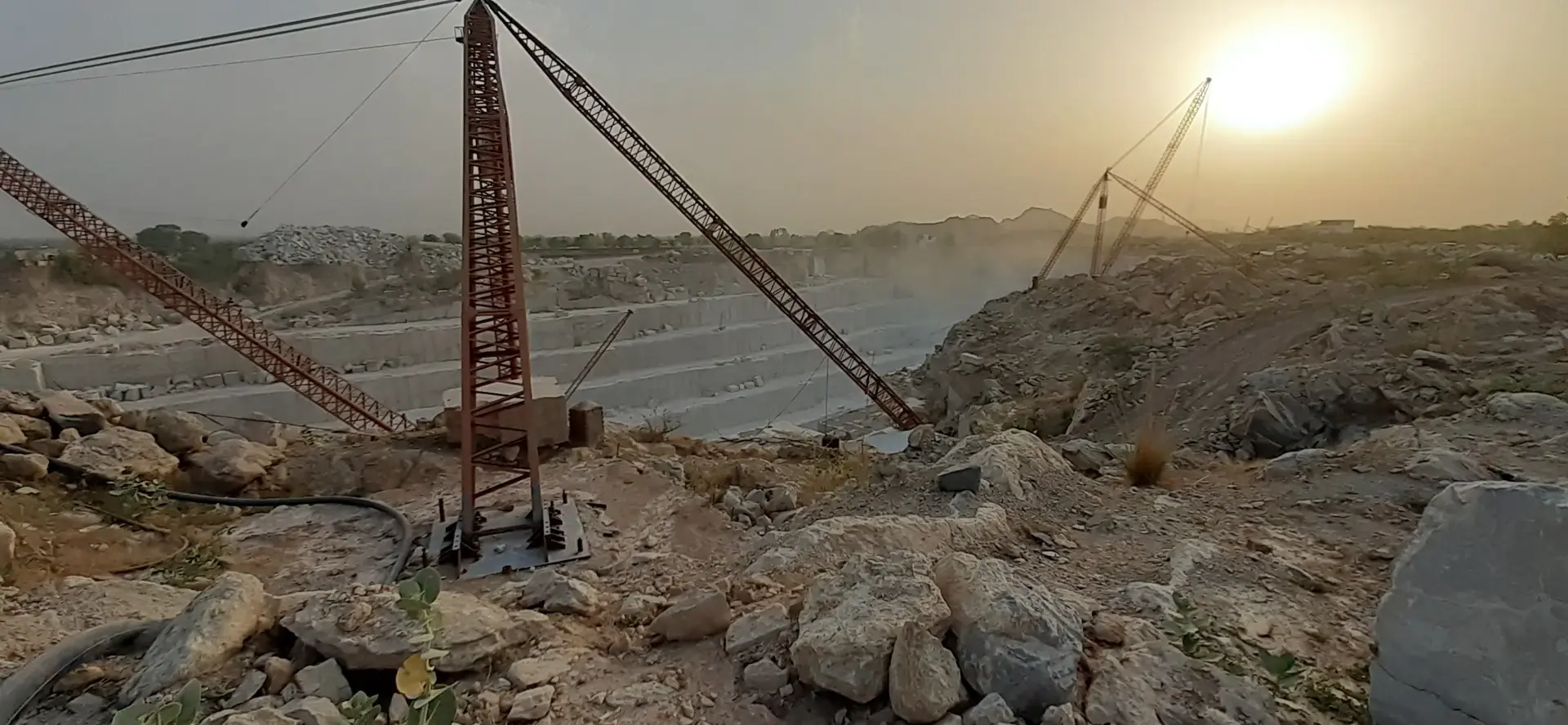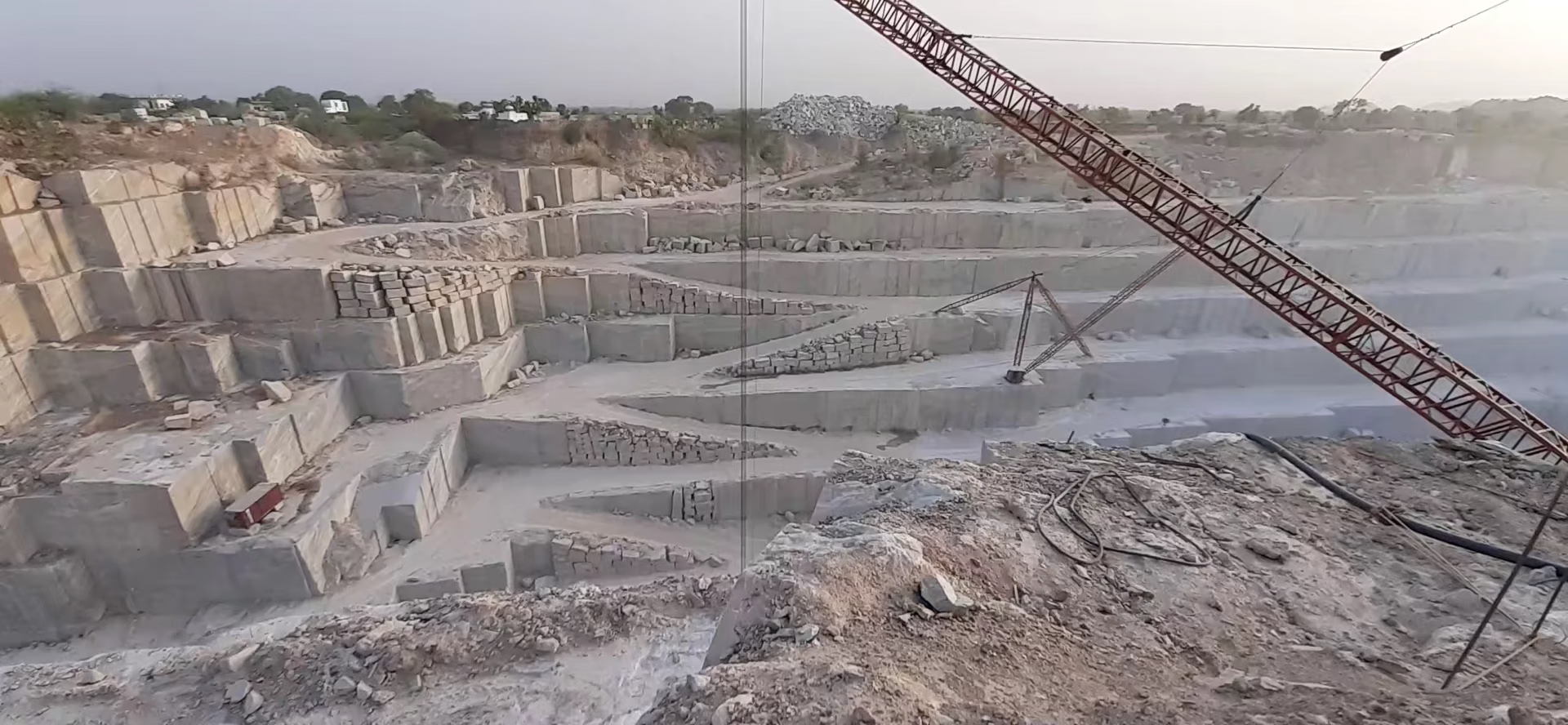
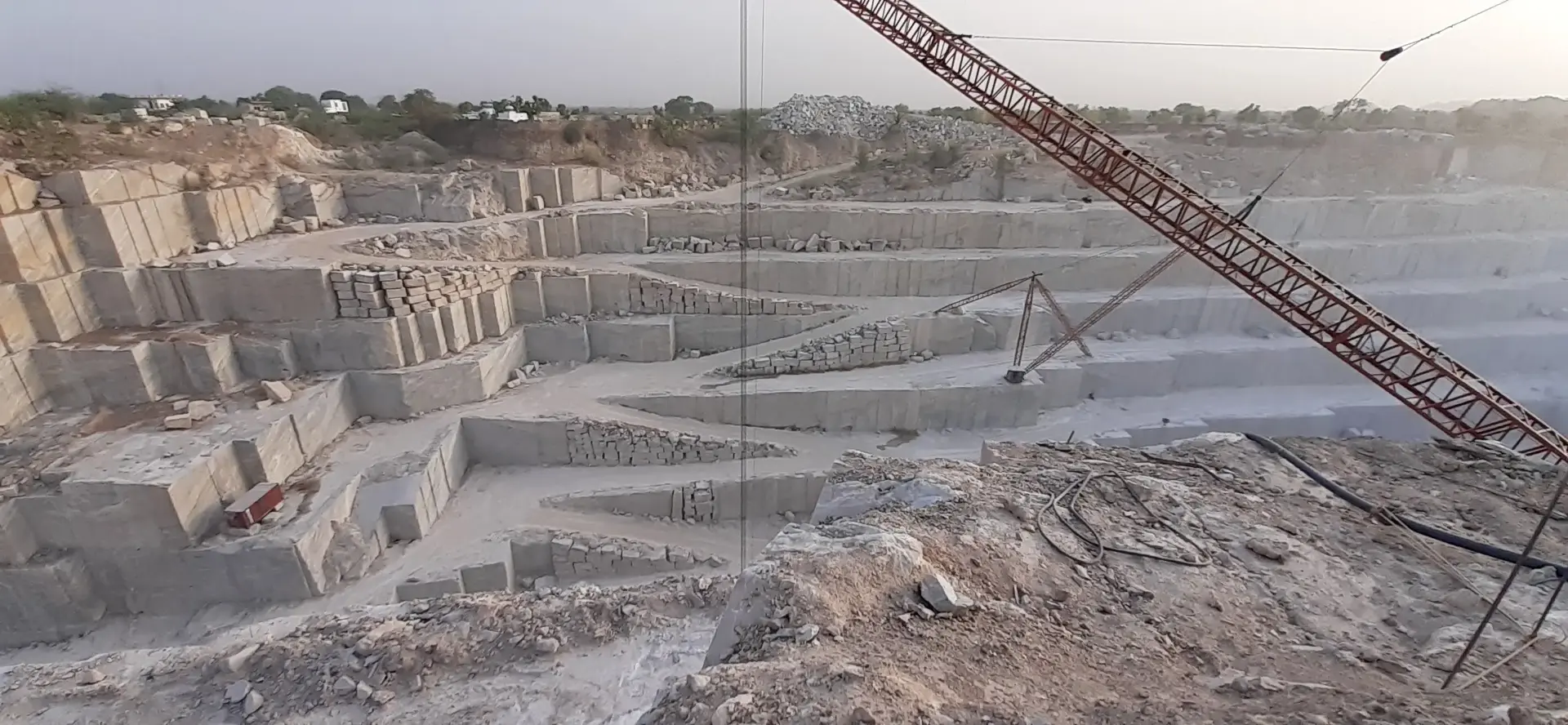
The marble in the Taj Mahal didn't come from a general region or a vague deposit in Rajasthan. It came from a specific quarry zone called Pahar Kua, near Makrana town in Nagaur district — about 90 kilometres north of Jodhpur. That precision matters when you're sourcing stone, because not all marble sold as 'Makrana' is the same, and the price range reflects that dramatically: ₹35 per sqft at the low end, ₹700 at the top.
Makrana marble earned Geographical Indication (GI) status from the Government of India in 2015 — one of only a handful of building materials globally to carry this certification. In 2020, the International Union of Geological Sciences (IUGS) designated it a Global Heritage Stone Resource, making it the first stone from India and the first from all of Asia to receive that recognition. These aren't just prestigious labels; they confirm that the stone's specific geological character cannot be replicated anywhere else.
What Makes Makrana Chemically Distinct
Makrana marble is 98% calcium carbonate — one of the highest-purity marble deposits in the world. Only 2% is impurities, which is what creates the subtle variations between varieties. Compare that to many Italian marbles, which carry more mineral inclusions and therefore more prominent veining.
When the British were selecting stone for the Victoria Memorial in Kolkata, geologist Sir Thomas Henry Holland ran comparative tests against European marbles — including Italian and Greek varieties. Makrana outperformed all of them on resistance to India's monsoon weathering conditions. The Memorial stands today, 120 years later, and its surface is still white.
The stone's density is the reason. Its interlocking crystal structure leaves minimal grain boundary area per unit volume, which means liquids penetrate slowly. Water absorption on quality Makrana is as low as 0.1% — better than most granites and dramatically better than marble from other origins.
The Named Varieties — Not a Letter Grade System
The stone trade doesn't use a universal A/B/C grading system for Makrana. Varieties are identified by their quarry zone or visual character. These are the names you'll encounter from exporters, and what they actually mean:
| Variety | Visual Character | Trade Position |
|---|---|---|
| Taj Mahal White / Pure White | Solid milky white, no veining, maximum purity | Premium — used in Taj Mahal, Ram Mandir, Sheikh Zayed Grand Mosque Abu Dhabi |
| Albeta White | White base with black, golden, and grey veining | High-mid — most popular export variety currently; strong visual impact |
| Albeta Beige | Milky white with brown and caramel patterns | Mid-range — popular in hospitality and residential projects |
| Dungri / Chak Dungri | Light white with subtle black/brown linear designs | Mid-range — natural, unfussy appearance; no chemical reinforcement |
| Kumari | Plain white with slight grey undertone | Economy — durable and consistent; good for large area flooring |
The Albeta White is the export market's current favorite, not the Pure White. The reason is visual: interior designers and architects working in luxury hospitality want movement in the stone — the veining tells a story that a solid white slab doesn't. Pure White commands a premium, but it moves in smaller quantities.
Real Pricing — Domestic and Export
These are current market prices as of 2026, not manufacturer's list prices. There's a significant gap between what's advertised and what actually clears in trade. Prices are per square foot for standard thickness slabs (18–20mm), uninstalled.
| Variety | Domestic (INR/sqft) | Export FOB (USD/sqm) |
|---|---|---|
| Taj Mahal White / Pure White | ₹700 | $90 – $270 |
| Albeta White | ₹600 | $47 – $94 |
| Makrana Pure White (standard) | ₹500 | $45 – $80 |
| Albeta Beige / Brown Albeta | ₹350 – ₹400 | $30 – $55 |
| Dungri / Chak Dungri (premium) | ₹170 | $20 – $35 |
| Kumari (economy) | ₹35 – ₹55 | $10 – $18 |
Thickness changes the price significantly
European buyers typically specify 2cm slabs. USA buyers specify 3cm. The same Albeta White in 3cm costs 35–45% more than 2cm, because material waste in cutting is higher. Always confirm thickness when comparing quotations.
HSN Codes and Tax Structure
This is where many exporters trip up buyers. There are two completely different GST rates depending on the form of marble:
| Form | HSN Code | GST Rate |
|---|---|---|
| Raw / rough blocks | 2515 12 10 | 5% |
| Rough slabs (not further worked) | 2515 12 90 | 5% |
| Cut / polished slabs and tiles | 6802 21 10 / 6802 21 90 | 18% |
| Mosaic cubes | 6802 21 10 | 18% |
Exports are zero-rated under India's GST framework — meaning exporters claim the input GST back as a refund. If your supplier is quoting you a price inclusive of GST for an export order, that's incorrect and suggests they may not be a registered exporter. A legitimate IEC-holding exporter will quote you FOB or CIF in USD without domestic GST applied.
How to Verify What You're Buying
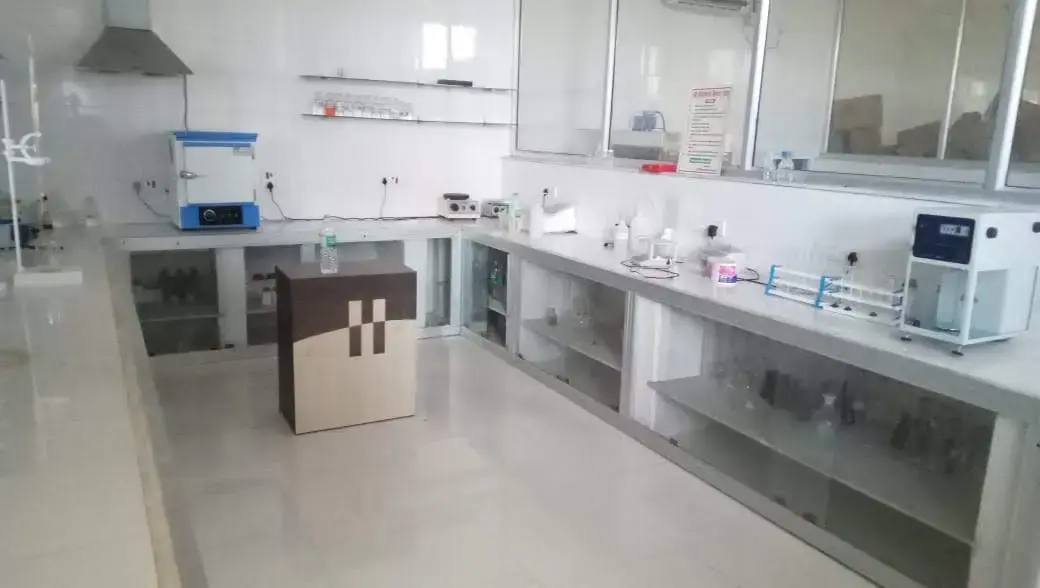
The Makrana market has a counterfeiting problem. Stones from other Rajasthan quarries — and occasionally from outside India — are sometimes sold as Makrana. Here's how to confirm authenticity before a large order:
- —Request a calcium carbonate purity test — genuine Makrana reads 97–99%; anything below 95% is suspect
- —Ask for the quarry of origin, specifically the mine zone name (Pahar Kua, Doongri, Kumari, Neharkhan etc.)
- —Check for natural grain texture under a loupe — Makrana has a coarser, more visible crystalline structure than Italian marble
- —Run a water absorption test on sample pieces — quality Makrana absorbs minimal water; if a drop spreads quickly, reject the batch
- —For large first orders, commission a third-party inspection from SGS or Bureau Veritas before shipping
- —Verify that your supplier holds an IEC (Import Export Code) from DGFT — legitimate exporters can show this number
Monuments Built in Makrana Marble
The list is long, but these five are the ones worth knowing when you're specifying or sourcing:
- —Taj Mahal, Agra (1632–1648) — Pure White from Pahar Kua quarry; inlaid with lapis lazuli, carnelian, and other semiprecious stones; UNESCO World Heritage Site
- —Victoria Memorial, Kolkata (1921) — Selected by British geologist Sir Thomas Holland after open testing against European marbles; Makrana won on weathering resistance
- —Sheikh Zayed Grand Mosque, Abu Dhabi — One of the world's largest mosques; interior and exterior extensively clad in Makrana
- —Ram Mandir, Ayodhya (2024) — Premium Pure White Makrana throughout the new temple complex
- —Moti Masjid, Agra Fort — Part of the same Mughal-era procurement system as the Taj Mahal
Get a quarry-direct export quotation
Opulent Stone Arts sources Makrana marble directly from licensed quarries in Nagaur district, Rajasthan. We hold an IEC and are CDOS members. Contact our export division for a sample kit and FOB pricing within 24 hours.