The most expensive misunderstanding in stone importing is this: buyers who choose CIF (Cost, Insurance, Freight) believe their risk starts when the container arrives at their port. It doesn't. Under CIF, risk transfers to the buyer the moment the goods are loaded onto the vessel in India — exactly the same point as FOB. The difference between CIF and FOB is who pays for the ocean leg. The risk transfer point is identical.
That distinction matters because the insurance included in a CIF quote is minimum cover — Institute Cargo Clauses C (ICC-C). ICC-C covers catastrophic losses: sinking, fire, grounding. It does not cover container damage, handling damage, theft, or partial losses. If your container of marble arrives with 30% of slabs cracked from rough handling at a transit port, CIF's included insurance probably won't pay.
What Incoterms Are — and Why They Matter for Stone
Incoterms (International Commercial Terms) are published by the International Chamber of Commerce (ICC). Incoterms 2020 is the current edition. They define three things: who pays for each leg of the journey, who arranges transport and insurance, and exactly where risk transfers from seller to buyer.
For stone imports specifically, the stakes are higher than for most goods. A container of marble slabs weighs 25–27 metric tonnes and may contain $40,000–$80,000 worth of material. Ocean transit from India to Europe or the USA takes 4–8 weeks. A lot can happen. Getting the Incoterm wrong, or not understanding it fully, determines who absorbs the loss when something does.
Ex-Works (EXW) — Maximum Control, Maximum Buyer Responsibility
Under EXW, the seller makes the goods available at their named premises — factory, warehouse, quarry. The buyer handles everything from that moment: loading, trucking to port, Indian export customs clearance, ocean freight, marine insurance, destination port charges, and import customs.
There's a subtlety worth flagging: under strict EXW interpretation, risk transfers before the goods are even loaded onto the truck. If a slab is damaged during loading at the factory, that's the buyer's problem. In practice, sellers assist with loading, but they carry no liability.
EXW is problematic for Indian stone specifically
Indian export customs clearance requires the exporter (seller) to file the Shipping Bill on ICEGATE (Indian Customs Electronic Gateway) under their IEC number. Under true EXW, this is the buyer's obligation — but foreign buyers generally can't access ICEGATE directly. In practice, Indian stone sellers quote EXW but still handle export customs, which technically makes it closer to FCA. Clarify this with your supplier in writing.
FOB — Free on Board: The Preferred Term for Experienced Importers
Under FOB, the seller delivers goods loaded aboard the vessel at the named port. They handle Indian export customs, inland trucking to port, and port terminal charges. Risk and cost transfer to the buyer once the goods are on board the ship.
The buyer then arranges ocean freight, marine insurance, destination port handling, and import customs clearance. This is the preferred term for importers who have an established freight forwarder relationship — they can negotiate their own ocean freight rates, often better than what a supplier includes in a CIF quote, and they can specify proper ICC-A insurance rather than accepting the minimum ICC-C.
CIF — Cost, Insurance, Freight: Convenient but Less Control
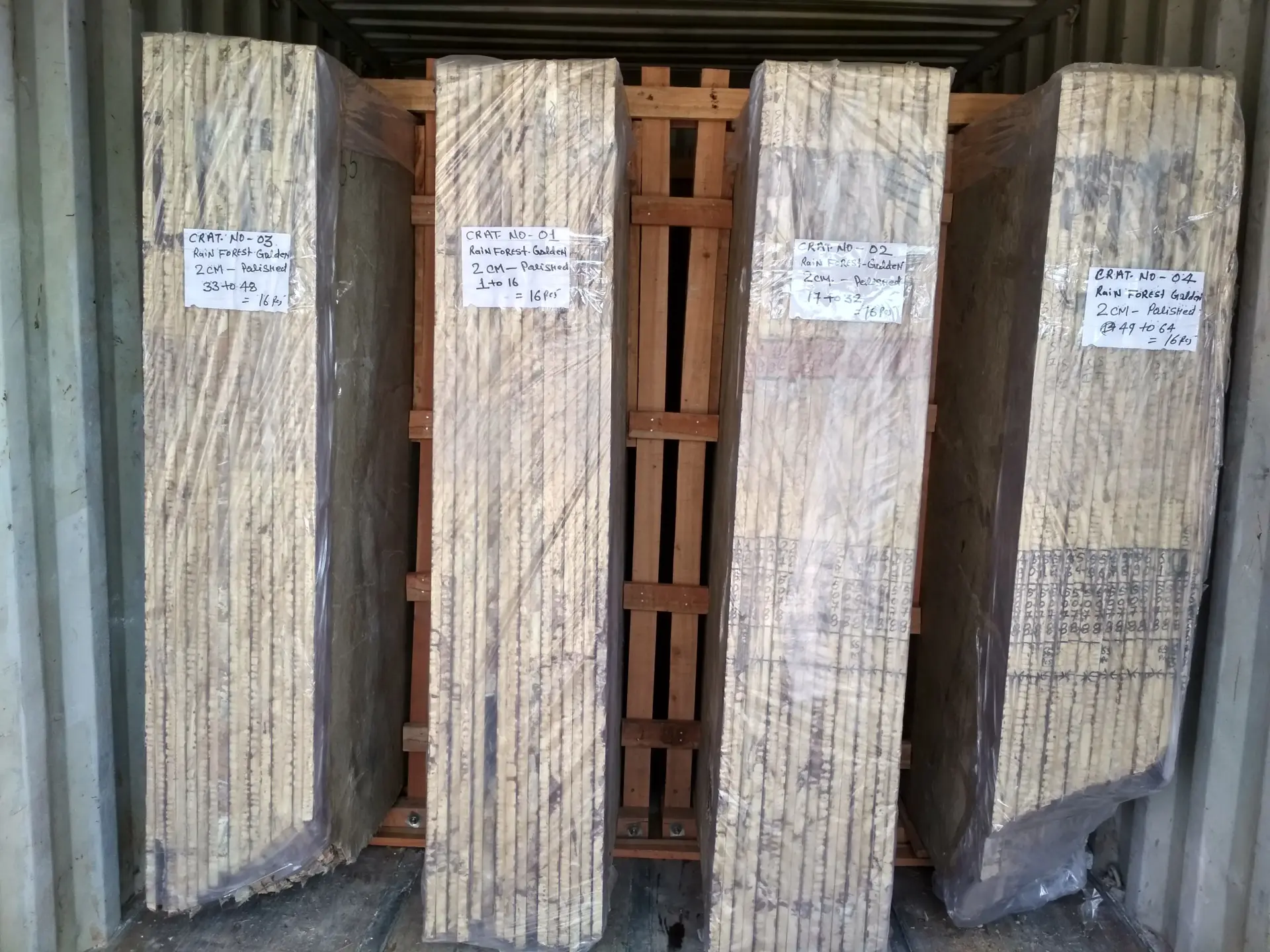
CIF includes ocean freight and insurance in the seller's price. The seller arranges the shipping line and books the container. For first-time importers without a freight forwarder network, this is the practical choice — one quote covers the goods through to your port, and you deal with local clearance only.
The trade-offs are real, though. The seller chooses the shipping line — you get no input on quality or schedule. The included insurance is ICC-C minimum. Freight margins are sometimes built into the CIF price. And if there's a shipping delay, the seller controls the timeline, not you.
Full Comparison
| Factor | EXW | FOB | CIF |
|---|---|---|---|
| Seller's cost responsibility ends at | Factory / warehouse gate | Origin port — goods loaded on vessel | Destination port |
| Risk transfers to buyer at | Factory gate (before loading) | Origin port — goods on vessel | Origin port — goods on vessel (same as FOB!) |
| Who arranges ocean freight | Buyer | Buyer | Seller |
| Who arranges marine insurance | Buyer | Buyer | Seller (ICC-C minimum only) |
| Who handles Indian export customs | Technically buyer (see note) | Seller | Seller |
| Price transparency | Highest — cheapest ex-origin | Good — buyer controls freight cost | Lower — freight/insurance margin may be hidden |
| Best for | Very experienced importer with India logistics partner | Experienced importer with freight forwarder | First-time or occasional importer |
The Insurance Gap Under CIF — and How to Fix It
ICC-C (minimum CIF coverage) covers: stranding, sinking, capsizing, derailment, collision, fire, explosion, and general average sacrifice. It does not cover: theft, pilferage, contamination, deliberate damage, improper packing damage, or handling damage at transhipment ports.
ICC-A (All Risks) covers all physical loss or damage to cargo except deliberate acts and inherent vice. For stone imports — where a rough transhipment can crack slabs inside a sealed container — ICC-A is the appropriate coverage.
If you're buying on CIF terms, add this to your purchase contract: 'Seller shall arrange Institute Cargo Clauses (A) marine insurance for the full CIF invoice value plus 10%.' Most sellers will accommodate this; if they resist, the additional premium cost is yours to pay as a top-up policy, but it's typically 0.2–0.3% of cargo value.
Which Incoterm to Choose — A Decision Guide
| Your Situation | Recommended Incoterm |
|---|---|
| First stone import — no freight forwarder yet | CIF (plus request ICC-A insurance) |
| Occasional importer, no India logistics contacts | CIF |
| Experienced importer, established freight forwarder | FOB from Mundra or JNPT |
| Comparing prices from multiple Indian suppliers | FOB (same named port) — apples-to-apples comparison |
| Large volume importer negotiating direct shipping contracts | FOB or EXW |
| Tight project budget — need predictable total cost | CIF to named destination port |
One practical tip for first-time buyers
Request both a CIF and an FOB quote from your supplier for the same order. Then get an independent ocean freight quote from a forwarder for the FOB leg. Compare the two totals — if the supplier's CIF is more than 15% higher than FOB + your freight quote, they have freight margin in their price. Use that as a negotiation point.
Get a FOB and CIF quote for your order
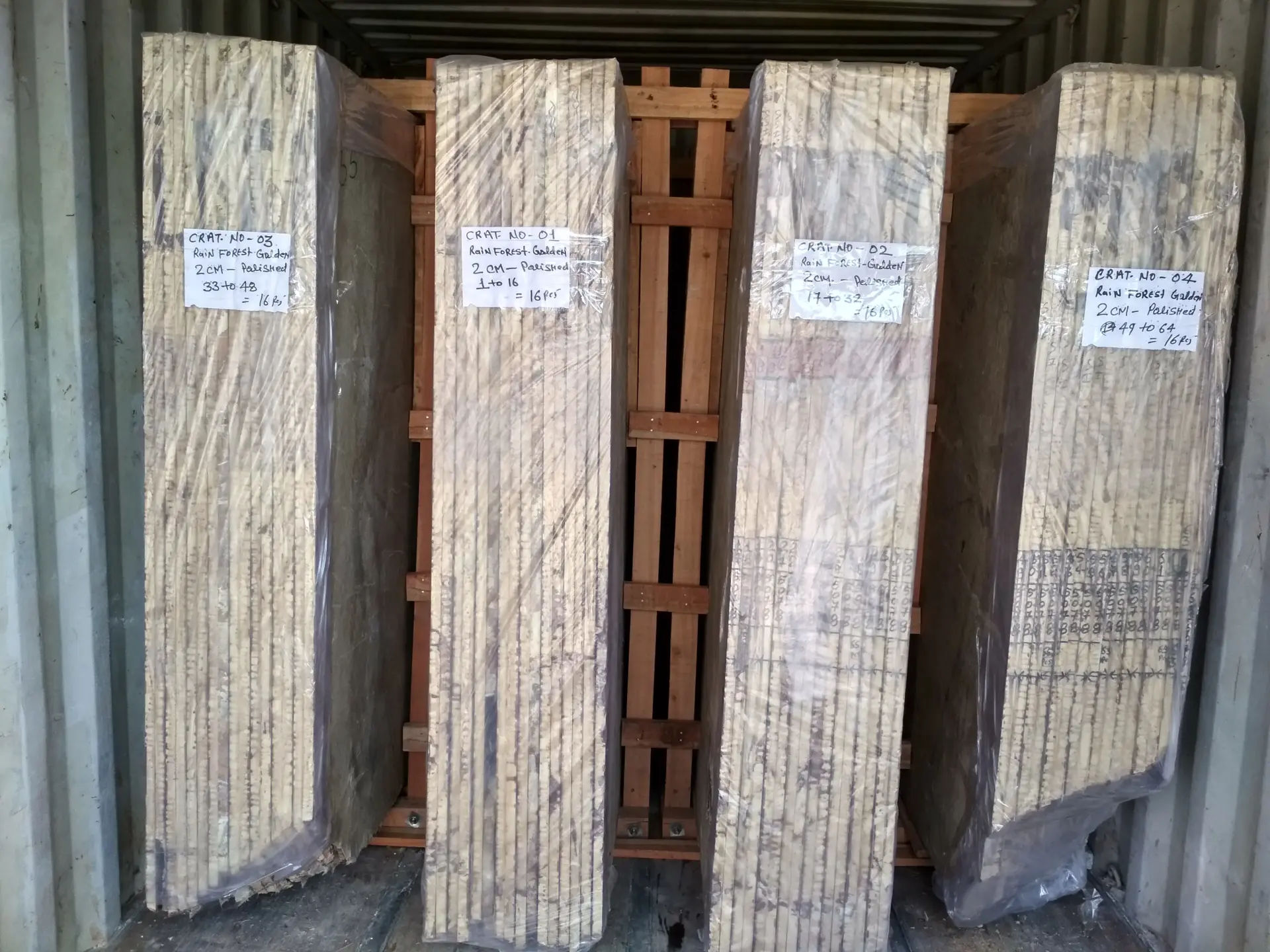
Opulent Stone Arts exports natural stone to 30+ nations on both FOB and CIF terms. We hold an IEC, work with licensed marine insurers, and can provide full export documentation. Contact our export division with your stone type, quantity, and destination — we'll provide both terms so you can choose.